Birds & Poultry
Keeping birds and poultry as companions or for small-scale egg production has grown increasingly popular among pet enthusiasts and homesteaders alike. Whether you’re drawn to the gentle clucking of backyard chickens, the vibrant plumage of parrots, or the charming personality of ducks, these feathered friends offer unique rewards—from fresh eggs to delightful companionship. However, their care requirements differ significantly from traditional pets like cats or dogs, demanding specialized knowledge in housing, nutrition, and behavioral management.
Successfully raising birds and poultry requires understanding their complex needs across multiple dimensions: creating appropriate living environments, maintaining optimal health through nutrition and hygiene, recognizing natural behaviors, and protecting them from environmental threats. This comprehensive resource explores the fundamental aspects of avian care, equipping you with the knowledge to provide a thriving environment whether you’re managing a backyard micro-flock or caring for companion birds indoors.
Creating Safe and Comfortable Living Spaces
The foundation of successful bird keeping begins with proper housing that balances safety, comfort, and psychological well-being. Unlike mammals, birds have unique spatial and structural needs that directly impact their physical health and mental state.
Cage Specifications and Material Selection
The physical structure of your bird’s enclosure requires careful consideration. Bar spacing is perhaps the most critical safety factor—gaps that are too wide allow heads or bodies to become trapped, while overly narrow spacing can catch toes or beaks. For small finches and canaries, spacing should not exceed half an inch, while larger parrots need bars spaced one to one-and-a-half inches apart. Medium-sized birds like cockatiels thrive with five-eighths to three-quarters inch spacing.
Material safety extends beyond just the bars themselves. Many older or imported cages contain zinc, lead, or toxic coatings that birds can ingest through normal chewing behavior. Stainless steel represents the gold standard for durability and safety, though powder-coated steel offers a more budget-friendly alternative when verified as non-toxic. Inspect welds, corners, and joints regularly, as sharp edges or rust spots can cause injuries.
Flight Space and Air Circulation
Birds are, by nature, creatures of the air. Even species that primarily walk or hop require adequate space for wing extension and short flights to maintain muscle tone and cardiovascular health. The common adage “bigger is always better” holds particularly true for aviaries and coops. A minimum flight space calculation should allow the bird to fully extend both wings without touching enclosure sides and perform at least three consecutive wing flaps horizontally.
Air quality control works hand-in-hand with spatial design. Stagnant air promotes respiratory issues and allows ammonia from droppings to reach harmful concentrations. Position enclosures to benefit from natural ventilation while avoiding direct drafts, which can cause chilling. For indoor birds, avoid placing cages near kitchens where cooking fumes—particularly from non-stick cookware, which releases deadly polytetrafluoroethylene gases—can prove fatal within minutes.
Environmental Control Throughout the Seasons
Birds experience seasonal changes differently than humans, and their housing must adapt to maintain health and productivity year-round.
Cold Weather Preparations
Winterizing for cold climates involves more than simply adding heat. While tropical species require consistent warmth, many poultry breeds tolerate cold remarkably well provided they stay dry and draft-free. The key vulnerability lies in their combs, wattles, and feet, which are susceptible to frostbite when temperatures plummet below freezing. Apply petroleum jelly to exposed skin areas during extreme cold, and ensure roost bars are wide enough that birds can cover their feet completely with their bodies when settled.
Insulation should focus on blocking wind while maintaining ventilation—moisture buildup from respiration causes more winter health problems than cold itself. Deep litter bedding methods, where organic material is layered and allowed to compost slightly, generate natural warmth while absorbing moisture. Consider supplemental heat sources only when temperatures drop below what your specific species can tolerate, and always use avian-safe heaters with protective guards to prevent burns.
Lighting Requirements for Health and Productivity
Light influences avian biology profoundly, regulating everything from mood to egg production. Birds perceive a broader light spectrum than humans, including ultraviolet wavelengths that affect calcium metabolism and vitamin D synthesis. For indoor companion birds, full-spectrum lighting that mimics natural sunlight prevents metabolic bone disease and feather-destructive behaviors stemming from vitamin deficiencies.
Laying hens require approximately 14-16 hours of daylight to maintain consistent egg production. During winter months when natural daylight dwindles, supplemental lighting bridges the gap—but the transition must be gradual. Sudden changes in photoperiod trigger stress responses and can paradoxically reduce laying. Use timers to create consistent sunrise and sunset times, and position lights to illuminate feeding areas while leaving darker corners where birds can retreat for rest.
Nutritional Requirements for Thriving Birds
Proper nutrition forms the cornerstone of avian health, yet it remains one of the most commonly misunderstood aspects of bird care. Unlike dogs or cats that thrive on relatively straightforward diets, different bird species have evolved highly specialized nutritional needs.
Dietary balance for laying hens exemplifies this complexity. A hen producing eggs requires substantially more protein (16-18%) and calcium than non-laying birds. The calcium demand alone is staggering—each eggshell contains roughly 2 grams of calcium, meaning a hen laying 300 eggs annually processes over 600 grams of calcium through her body. Provide calcium sources separately from regular feed through crushed oyster shells or limestone grit, allowing hens to self-regulate intake based on their individual needs.
Companion birds face different challenges. Seed-only diets, while traditional, are nutritionally bankrupt—comparable to humans eating only potato chips. High-quality pellets should form the foundation (60-70% of intake), supplemented with fresh vegetables, limited fruits, and species-appropriate treats. Avocado, chocolate, caffeine, and salt remain toxic regardless of species. Dark leafy greens provide essential vitamins, while orange and yellow vegetables supply carotenoids that enhance feather coloration and immune function.
Water quality deserves equal attention. Change water daily at minimum, and scrub containers to remove biofilm—the slippery coating that harbors bacteria. During summer heat, refreshing water multiple times daily prevents dangerous temperature elevations that encourage pathogen growth.
Disease Prevention and Biosecurity Practices
Preventing illness proves infinitely easier and less expensive than treating established disease. A proactive approach to hygiene creates an environment where pathogens struggle to gain footholds.
Daily Hygiene Practices
Cleanliness in bird keeping operates on multiple levels. Spot-clean droppings from perches, floors, and food areas daily—allowing waste to accumulate invites fly infestations and disease transmission. Weekly deep cleaning involves removing all bedding, scrubbing surfaces with bird-safe disinfectants, and allowing enclosures to dry completely before replacing substrate.
Your own biosecurity practices matter tremendously. Wash hands before and after handling birds or their equipment, especially when moving between different flocks or species. Shoes worn in coops should never enter your home, as footwear efficiently transports pathogens. If visiting other bird keepers or poultry shows, shower and change clothes before interacting with your own flock—many devastating diseases spread through seemingly innocuous contact.
Salmonella Risk Management
Salmonella prevention deserves special attention, particularly in households with young children, elderly members, or immunocompromised individuals. Birds carry Salmonella bacteria naturally in their intestinal tracts without showing illness, yet these organisms cause severe food poisoning in humans. The bacteria concentrate in droppings but contaminate feathers, beaks, and feet through normal preening and movement.
Never allow birds in food preparation areas, and designate specific shoes and clothing for coop duties. Children should wash hands immediately after handling birds or collecting eggs, and always before eating. Eggs from backyard flocks require proper handling—refrigerate promptly, cook thoroughly, and wash hands after touching shells. Consider vaccinating commercial laying breeds against Salmonella if your flock supplies eggs to others, as this significantly reduces shedding rates.
Understanding Social Behavior and Mental Wellness
Birds are remarkably intelligent creatures with complex social structures and psychological needs. Ignoring these behavioral requirements leads to stress, aggression, and self-destructive behaviors that no amount of physical care can remedy.
The Pecking Order Dynamics
Every flock establishes a pecking order—a hierarchical social structure determining access to food, preferred roosting spots, and mates. This system, while appearing harsh to human observers, actually reduces overall aggression by establishing clear roles. Problems arise when hierarchy becomes unstable due to overcrowding, resource scarcity, or frequent membership changes.
Provide multiple feeding and watering stations to prevent dominant birds from monopolizing resources. When introducing new members, do so gradually through barrier methods where birds can see and hear each other without direct contact for several days. Mix flocks during low-light evening hours when birds are calmer, and monitor closely for the first 72 hours. Some chasing and posturing is normal; intervene only when you observe relentless pursuit, blood, or a bird unable to access food or water.
Environmental Enrichment Strategies
Designing avian environments that mimic natural habitats prevents psychological distress that manifests as feather plucking, excessive vocalization, or aggression. In nature, birds spend hours foraging, exploring, and solving problems to obtain food. Captive birds provided everything in easily accessible bowls become understimulated and bored.
Enrichment within the enclosure should engage multiple senses and change regularly. Foraging opportunities—scattering food among clean leaves, hiding treats in paper bags, or using puzzle feeders—occupy time and mental energy. Natural branches of varying diameters promote foot health better than uniform dowels and offer chewing opportunities. Safe mirrors and bells entertain some species, though monitor for obsessive behaviors. Rotate toys weekly rather than providing everything simultaneously, creating novelty that maintains interest.
Social enrichment matters equally. Many species are intensely social and suffer in isolation. If keeping naturally gregarious species like finches, budgies, or chickens, house them in compatible pairs or groups. Solitary species like some parrot varieties form intense bonds with human caregivers and require daily interaction sessions—sometimes several hours—to maintain psychological health.
Protecting Your Flock from Predators
Even in suburban settings, predators pose constant threats to birds and poultry. Raccoons, hawks, foxes, weasels, snakes, and domestic dogs kill thousands of backyard birds annually. Predator-proofing the coop requires thinking like the predator—identifying every potential entry point and vulnerability.
Hardware cloth with half-inch openings provides far superior protection compared to chicken wire, which predators easily tear. Extend barriers at least 12 inches underground or create an outward-facing apron at ground level to thwart digging predators. Cover all ventilation openings with secure mesh, and use spring-loaded latches rather than simple hooks—raccoons manipulate basic closures with surprising dexterity. Inspect perimeters weekly for new holes, loose sections, or signs of attempted entry.
Overhead protection prevents aerial attacks from hawks and owls. If free-ranging during daytime, provide covered areas where birds can retreat when shadows pass overhead. Motion-activated lights deter nocturnal hunters, while removing tall grass and brush near enclosures eliminates stalking cover. Lock birds securely before dusk—the transition between day and night represents peak hunting time for many predators.
Navigating Regulations and Flock Size Management
The legal landscape surrounding bird and poultry ownership varies dramatically by location. Many urban and suburban areas permit small backyard flocks while restricting or prohibiting roosters due to noise concerns. Zoning regulations may dictate minimum distances from property lines, maximum flock sizes, and coop construction standards. Research local ordinances before acquiring birds—municipal codes, homeowners association rules, and county health regulations may all apply simultaneously.
Managing a micro-flock for productivity while respecting legal constraints requires balancing numbers with resources. Three to five hens provide ample eggs for a typical household while remaining manageable for beginners. Larger flocks demand proportionally more space, feed, and time investment. Calculate costs realistically: housing, feed, bedding, healthcare, and infrastructure often exceed the monetary value of eggs produced, though most keepers find the intangible benefits—education, entertainment, and connection to food sources—worth the investment.
Health regulations may require reporting certain diseases, restricting flock movements during outbreaks, or obtaining permits for flocks above specified sizes. Establish a relationship with an avian veterinarian before emergencies arise—many vets lack bird experience, so identifying qualified care in advance proves invaluable. Keep basic records of egg production, unusual behaviors, and health interventions to track patterns and provide medical history when needed.
Successfully keeping birds and poultry blends science, observation, and dedication. Each species brings unique requirements and rewards, but all share fundamental needs for appropriate housing, balanced nutrition, disease prevention, behavioral understanding, and protection. Start with thorough research specific to your chosen species, invest in quality infrastructure from the beginning, and remain committed to daily care routines. The result—whether fresh eggs at breakfast, a parrot’s affectionate greeting, or the peaceful presence of finches—enriches life in ways that extend far beyond the practical into the deeply rewarding realm of interspecies companionship.
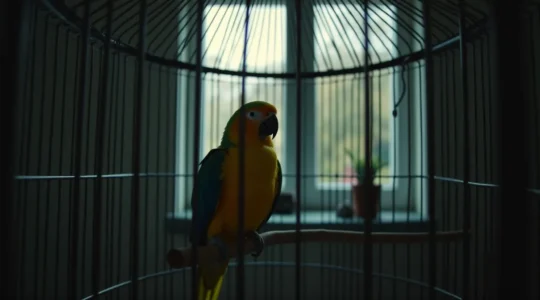
Why Round Cages Are Psychologically Damaging for Parrots?
A round cage, despite its aesthetic appeal, functions as a psychological trap by disrupting a parrot’s innate need for spatial orientation and security. The absence of corners removes essential “spatial anchors,” leading to chronic stress and disorientation. This flawed environmental…
Read more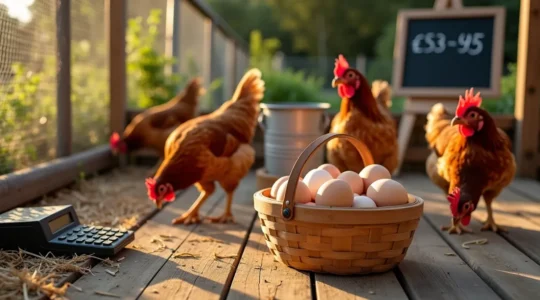
Are Backyard Chickens Cost-Effective Compared to Store-Bought Eggs?
For most homeowners, the belief that backyard chickens provide a clear path to cheaper eggs is a dangerous oversimplification; profitability is not a given, but the result of rigorous risk management. Initial setup costs, particularly for predator-proofing, represent a significant…
Read more