Care & Health
The difference between a pet who lives 10 years and one who thrives for 15 often comes down to proactive health management rather than reactive crisis intervention. Modern veterinary medicine has shifted dramatically toward preventive care, recognizing that early detection and consistent maintenance prevent catastrophic failures that are both emotionally devastating and financially overwhelming.
Whether you’ve just welcomed a puppy or kitten into your home or you’re caring for a senior companion, understanding the core pillars of pet health empowers you to make informed decisions. This comprehensive resource explores the essential components of veterinary care—from establishing health baselines and managing parasites to navigating surgical procedures and chronic diseases—giving you the knowledge to be your pet’s most effective advocate.
Why Preventive Care Forms the Foundation of Pet Wellness
Think of preventive veterinary visits as routine maintenance for a vehicle: regular oil changes prevent engine failure. Similarly, annual or biannual wellness exams establish a health baseline that makes silent pathologies visible before they progress to irreversible stages.
During a comprehensive physical exam, your veterinarian assesses multiple systems simultaneously. They palpate the abdomen for organ enlargement, auscultate the heart for murmurs, examine the oral cavity for periodontal disease, and evaluate body condition scores. For senior pets (typically over seven years for dogs, over ten for cats), these exams often include bloodwork to screen for kidney dysfunction, liver enzyme elevations, or early diabetes—conditions that show no external symptoms until significantly advanced.
The financial logic is compelling: detecting chronic kidney disease at stage two through routine screening costs a fraction of emergency hospitalization for acute renal crisis. Many pet owners struggle with veterinary invoice terminology, but understanding that “CBC” (Complete Blood Count) screens for infection and anemia while “chemistry panel” evaluates organ function helps you see these tests as investments rather than expenses.
For anxious pets, reducing waiting room stress and preparing for sedated exams when necessary transforms veterinary visits from traumatic ordeals into manageable routines. Strategic appointment scheduling, familiar carrier conditioning, and pheromone spray applications all contribute to more accurate assessments—because a pet paralyzed by fear cannot provide reliable vital signs.
Understanding Vaccination and Immunization Protocols
Vaccination remains one of veterinary medicine’s most cost-effective interventions, yet confusion persists around which vaccines are necessary, when to administer them, and how long protection lasts.
Core vs. Non-Core Vaccines
Core vaccines protect against pathogens that are widespread, cause severe disease, or pose zoonotic risk. For dogs, this includes rabies, distemper, parvovirus, and adenovirus. For cats: rabies, panleukopenia, herpesvirus, and calicivirus. Non-core vaccines depend on lifestyle exposure—leptospirosis for dogs with outdoor water access, feline leukemia for cats who venture outside, or Bordetella for those frequenting boarding facilities.
Timing and Frequency Considerations
The final puppy booster timing is critical: administering it before 16 weeks may leave a gap in protection as maternal antibodies wane. The “three-year protocol” for core vaccines is supported by duration-of-immunity studies, though legal requirements for rabies may mandate more frequent administration regardless of medical necessity.
Titer testing offers an alternative for pets with vaccine sensitivity, measuring antibody levels to determine if revaccination is medically warranted. Managing vaccine reactions—from mild injection site soreness to rare anaphylaxis—requires recognition that benefits vastly outweigh risks for the vast majority of pets, while individual medical histories guide protocol adjustments.
Parasite Prevention as Year-Round Protection
Parasites represent a persistent threat that extends beyond the simple nuisance of itching, carrying implications for human health, chronic skin disease, and life-threatening organ damage.
Understanding Parasite Lifecycles
The flea lifecycle from egg to adult spans approximately three weeks under ideal conditions, but can extend to months in cooler environments. This explains why you might see adult fleas on your pet despite not observing them for weeks—the environmental reservoir of eggs, larvae, and pupae in carpeting and bedding continuously replenishes the adult population. Breaking this cycle requires simultaneous treatment of pets and environmental cleanup protocols, including frequent vacuuming and washing bedding at high temperatures.
Climate and Seasonal Adaptations
The persistent myth that winter kills fleas has led to countless preventable infestations. While outdoor flea populations decline in freezing temperatures, indoor heating creates year-round habitats. Similarly, spring thaw triggers tick emergence precisely when pet owners have lapsed in prevention, and shifting climate patterns are expanding heartworm transmission windows into previously safe regions. Regional risk assessment based on local mosquito populations and documented heartworm cases should guide your prevention schedule.
Zoonotic Risk Management
Certain parasites transmitted by pets pose direct threats to human family members, particularly children. Roundworms shed in feces can cause ocular larva migrans if children contact contaminated soil and touch their faces. Identifying tapeworm segments that resemble rice grains on pet bedding signals the presence of fleas—the intermediate host. Hookworms can cause cutaneous larva migrans in humans walking barefoot on contaminated ground, and severe infestations contribute to anemia in pets. Standard prevention frequency—typically monthly year-round—protects both species sharing your home, though fecal tests have limitations in detecting light parasite burdens.
Dental Health and Its Systemic Impact
Oral health represents one of the most neglected yet impactful aspects of pet wellness, with periodontal disease affecting over 80% of dogs and 70% of cats by age three.
Daily Oral Hygiene Practices
Active biofilm disruption through brushing prevents the progression of plaque to calcified tartar. The mechanism of enzymatic toothpastes works by breaking down the protein matrix that bacteria use to adhere to enamel. Training the brushing routine requires gradual conditioning—beginning with finger exploration of the mouth, progressing to gauze rubbing, then introducing a pet-specific brush sized appropriately for small mouths.
Human toothpaste toxicity stems from xylitol and fluoride content, both dangerous to pets. Frequency matters: daily brushing provides optimal efficacy, though even three times weekly offers substantial benefit. Dental treats have limitations—they reduce accumulation but cannot remove established tartar.
Professional Interventions and Health Consequences
Visual grading of teeth provides only surface assessment; periodontal disease progresses below the gumline where bacterial pockets cause bone loss invisible to owners. The professional anesthesia scaling procedure allows comprehensive evaluation with dental radiographs, removal of subgingival calculus, and treatment of painful resorptive lesions. Certain breeds show genetic predisposition—small dogs and brachycephalic breeds particularly vulnerable due to crowded tooth positioning.
The systemic connection between oral bacteria and organ failure motivates proactive care: bacteria entering the bloodstream through diseased gums can seed infections in heart valves, create liver abscesses, complicate diabetes management, progress to bone infection (osteomyelitis) of the jaw, and contribute to antibiotic resistance through repeated infection cycles. Gum recession consequences extend beyond cosmetics to tooth loss and chronic pain that diminishes quality of life.
Preparing for Surgical Procedures
Whether scheduling a routine spay or addressing an unexpected medical emergency, understanding surgical protocols reduces anxiety and improves outcomes.
Pre-anesthetic safety checks include bloodwork to verify that liver and kidney function can metabolize anesthesia, cardiac auscultation to identify murmurs that might complicate sedation, and assessment of clotting factors. Fasting protocols—typically 8-12 hours for adults, shorter for young puppies and kittens—prevent aspiration pneumonia if vomiting occurs during induction.
Pain management recognition is crucial during recovery. Signs include reluctance to move, decreased appetite, hunched posture, or uncharacteristic aggression when touched. Modern multimodal analgesia addresses pain through multiple pathways—opioids for acute pain, NSAIDs for inflammation, and sometimes gabapentin for neuropathic components.
Incision site monitoring involves checking twice daily for redness, swelling, discharge, or dehiscence (opening). The cone of shame alternatives include inflatable collars, surgical recovery suits, or soft fabric cones that allow peripheral vision while preventing licking. Each option has specific applications depending on incision location and pet temperament.
Weight Management as Preventive Medicine
Excess weight represents far more than an aesthetic concern—it functions as a chronic inflammatory disease that measurably shortens lifespan and degrades quality of life.
The physics of joint stress are straightforward: each additional pound creates a multiplied force on weight-bearing joints during movement, accelerating osteoarthritis development. The hormonal impact of fat tissue extends beyond simple storage—adipose cells actively secrete inflammatory cytokines that promote insulin resistance, creating a vicious cycle toward diabetes.
Respiratory compromise manifests in overweight pets as exercise intolerance, increased anesthetic risk, and exacerbated tracheal collapse in predisposed breeds. Prescription diet mechanics utilize precisely calibrated calorie density with elevated protein to maintain muscle mass during weight loss. Standard exercise recommendations often need modification for obese pets—aquatic therapy or short frequent walks replace high-impact activities that damage already stressed joints.
Managing Chronic Endocrine Conditions
Endocrine diseases disrupt hormone production, requiring ongoing management rather than one-time cures, but controlled conditions allow excellent quality of life.
Diabetes management centers on insulin administration routines (typically twice daily) synchronized with feeding schedules. Home blood glucose monitoring using either ear margin prick testing or continuous glucose sensors allows dose adjustments and identifies dangerous hypoglycemic episodes before they become critical.
Hypothyroidism in dogs causes lethargy, weight gain, and skin changes—easily managed with daily levothyroxine supplementation and periodic monitoring. Conversely, hyperthyroidism in cats typically stems from benign thyroid tumors causing weight loss despite ravenous appetite, managed through medication, radioactive iodine therapy, or prescription diets.
Addison’s disease (hypoadrenocorticism) presents with vague symptoms—waxing and waning weakness, gastrointestinal upset—until an acute crisis causes cardiovascular collapse. Once diagnosed, steroid and mineralocorticoid replacement allows normal lifespan. Recognition that these conditions are manageable rather than terminal diagnoses transforms them from devastating to merely chronic.
The thread connecting all aspects of pet health and care is the principle that informed, proactive management exponentially outperforms reactive crisis intervention. By establishing preventive baselines, maintaining consistent parasite and vaccination protocols, prioritizing dental health, preparing properly for surgical needs, and managing weight and chronic conditions as medical priorities, you maximize both the length and quality of your companion’s life. Each element reinforces the others—healthy weight reduces anesthetic risk, good dental care prevents systemic infection, and parasite prevention protects the whole household.

Excessive Thirst in Your Dog: Is It Diabetes or Cushing’s Disease?
The constantly full water bowl points to a problem, but the real diagnosis is found in the subtle clues your dog’s body is giving you beyond thirst. Diabetes and Cushing’s disease both cause extreme thirst, but they leave different “metabolic…
Read more
Why Overweight Dogs Die 2 Years Earlier Than Lean Dogs?
That extra weight on your dog isn’t “happy chubbiness”; it’s an active endocrine organ causing chronic, systemic inflammation that shortens their life. Fat tissue releases inflammatory molecules (adipokines) that damage joints, organs, and metabolic function. This constant inflammation is a…
Read more
The Silent Killer: How Oral Bacteria Systematically Damage Your Pet’s Organs
It’s not just bad breath; it’s a systemic crisis. Chronic oral infection is a primary, preventable trigger for multi-organ failure in pets. Bacteria from inflamed gums constantly enter the bloodstream, “seeding” vital organs like the kidneys, liver, and heart. This…
Read more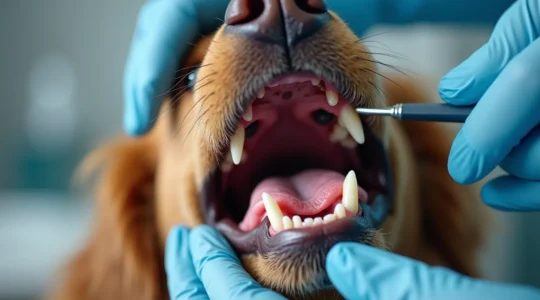
The Smell of Decay: Why “Doggy Breath” Is Actually Periodontal Disease?
Contrary to popular belief, chronic “doggy breath” is not a normal part of pet ownership; it is the primary symptom of periodontal disease, a progressive infection that leads to irreversible bone loss and systemic organ damage. The disease process begins…
Read more
Why Enzymatic Toothpaste Works Even If You Don’t Scrub Perfectly?
Imperfect brushing with enzymatic toothpaste is far more effective than no brushing at all because the enzymes actively disrupt plaque biofilm on contact. The glucose oxidase/lactoperoxidase system creates an antibacterial agent that works chemically, reducing the reliance on aggressive mechanical…
Read more
Why Your Indoor Cat Still Needs Deworming?
Your indoor cat isn’t in a sterile bubble; it’s a potential biological vector for parasites that threaten your family’s health. Parasite eggs enter your home on shoes and clothes, contaminating floors and furniture. Fecal tests often give false negatives, missing…
Read more
Why One Flea Bite Can Cause Three Weeks of Itching
The relentless itching isn’t a sign of a flea infestation; it’s an extreme allergic reaction to proteins in a single flea’s saliva. For a hypersensitive dog, the problem is not the flea itself, but the immunological crisis it triggers, which…
Read more
Why “Flea Season” Is a Dangerous Myth: A Modern Guide to Year-Round Parasite Risk
Contrary to popular belief, there is no “off-season” for parasites; your heated home and our changing climate have created a year-round battlefield. Ticks are active in temperatures above 4°C, and fleas thrive indoors all winter, completing their life cycle in…
Read more
Distemper and Adenovirus: Why These “Invisible” Diseases Still Kill?
The decision to vaccinate is not about blind compliance; it’s about sober risk calculus. Believing an indoor pet is immune to exposure or that vaccine side effects outweigh disease lethality is a statistically unsound gamble. Core vaccines are the only…
Read more
Spay/Neuter Recovery: How to Keep a Hyper Puppy Quiet for 10 Days?
The dread of confining a high-energy puppy for 10-14 days post-surgery is valid, but viewing recovery as a training challenge is a mistake. The key is to treat this period as a strict medical protocol. Your role is not to…
Read more