Dogs & Puppies
Bringing a dog into your life represents one of the most rewarding commitments you can make, yet it’s also one where mismatched expectations lead to heartbreak. Every year, countless dogs are surrendered to shelters not because they’re “bad dogs,” but because their inherent breed traits clashed with their owner’s lifestyle, living situation, or expectations. Understanding the fundamental differences between breed groups, energy levels, and size-specific needs isn’t just helpful—it’s the foundation of a successful lifelong bond.
Whether you’re considering your first puppy, adding to your pack, or simply want to better understand your current companion, this comprehensive resource covers the essential knowledge every dog owner needs. From decoding breed-specific behaviors and managing different energy levels to navigating health challenges and preventing common mistakes, you’ll gain the insights needed to make informed decisions and provide exceptional care tailored to your dog’s unique needs.
Choosing the Right Dog for Your Lifestyle
The single most important decision in dog ownership happens before you even bring a puppy home: matching breed characteristics and individual temperament to your actual daily life. A mismatch here is the primary driver of owner regret and dog surrender within the first year.
Breed Traits vs. Individual Temperament
While breed provides a behavioral blueprint, individual dogs vary significantly within that framework. A Border Collie will almost certainly need substantial mental stimulation, but one puppy from a litter might be moderately driven while their sibling is intensely obsessive. Understanding this distinction prevents the trap of assuming all Golden Retrievers are automatically gentle or all Terriers are aggressive. Birth order actually plays a measurable role—first-borns often display more confidence and assertiveness, while middle and later puppies may be more adaptable and socially flexible.
Energy Level Assessment
Honestly evaluate your activity level using concrete measures, not aspirations. If you currently walk 20 minutes daily, don’t choose a breed requiring two hours of vigorous exercise because you “plan to start hiking.” Consider these practical realities:
- Working professionals with long hours need lower-energy breeds or must budget for dog walkers and daycare
- Families with young children often overestimate their capacity to exercise a high-drive dog while managing childcare
- Apartment dwellers must account for breed vocalization tendencies and space requirements beyond just size
- Retirees might want companionship without the physical demands of athletic breeds
Recognizing Red Flags in Breeders
Responsible breeding goes far beyond “purebred with papers.” Health clearance verification for breed-specific conditions should be non-negotiable—hip and elbow scores for large breeds, eye certifications for herding dogs, cardiac clearances for toy breeds. Warning signs include breeders who always have puppies available, sell multiple breeds, won’t let you visit their facility, or can’t provide documented health testing on both parents. A quality breeder interviews you as thoroughly as you interview them, because they’re invested in proper placement, not just sales.
Male vs. Female Temperament Differences
While individual variation trumps sex-based generalizations, some patterns hold across breeds. Males typically exhibit more territorial marking behavior, may be more dominant with other male dogs, and often bond equally with all family members. Females frequently display stronger guarding instincts around their home, may be more selective with canine friendships, and sometimes bond more intensely with one person. Neutering and spaying reduce but don’t eliminate these tendencies, and training matters far more than biological sex for most behavioral outcomes.
Managing High-Energy and Working Breeds
Dogs bred for generations to herd livestock, hunt all day, or perform protection work don’t suddenly become couch companions because you live in a suburb. Their genetic wiring demands an outlet. Without appropriate channeling, these intelligent, driven dogs develop neurotic behaviors—destructive chewing, obsessive barking, self-mutilation, or hyperactivity that makes them seem untrainable.
Teaching the “Off Switch”
The counterintuitive reality of high-energy breeds is that they need to learn calmness as a trained behavior. Simply exhausting a Border Collie or Belgian Malinois through exercise often creates a canine athlete with ever-increasing stamina, not a tired dog. The “off switch” means teaching your dog that stillness and relaxation are rewarded states. This involves capturing calm moments with treats, using place training to establish a “settle” location, and critically, avoiding constant stimulation. A dog who gets excitement and attention every time they’re awake learns that arousal is the default state.
Scent Work as Mental Outlet
Twenty minutes of concentrated nose work can tire a working breed as much as an hour-long run, because scent discrimination engages their problem-solving drive. Simple activities include hiding treats around the house, creating scent trails in the yard, or introducing formal detection training. The beauty of scent work is its accessibility—it works in apartments, bad weather, and for owners with physical limitations who can’t provide extreme exercise.
Dietary and Physical Considerations
Active breeds have distinct nutritional needs, requiring higher protein content and appropriate caloric density to fuel their metabolism without promoting unhealthy weight gain. However, the most overlooked aspect is joint protection for young athletes. Large breed puppies, particularly those in working or sporting groups, should avoid repetitive high-impact activities like jogging on pavement or excessive jumping before their growth plates close (typically 12-18 months). The damage done to developing joints is often irreversible and manifests as arthritis in middle age.
Managing Prey Drive on Walks
Breeds with strong prey drive—including most terriers, hounds, and northern breeds—can transform from obedient companions to laser-focused hunters the instant they spot a squirrel. This isn’t disobedience; it’s genetic programming that overrides conscious thought. Management strategies include using high-value treats that compete with the excitement, training an emergency “check-in” cue before arousal peaks, and in some cases, accepting that off-leash freedom near wildlife simply isn’t safe for that individual dog.
Caring for Toy and Small Breed Dogs
Small dogs aren’t simply scaled-down versions of large breeds—they face unique health vulnerabilities, behavioral tendencies, and care requirements that differ fundamentally from their bigger counterparts. Unfortunately, their diminutive size often leads owners to skip training or overlook concerning behaviors they’d never tolerate in a German Shepherd.
Separation Anxiety in Companion Breeds
Breeds specifically developed for constant human companionship—Cavalier King Charles Spaniels, Havanese, Toy Poodles—often struggle with alone time more than independent breeds. Severe separation anxiety manifests as destructive behavior, self-harm, or house soiling within minutes of departure. Prevention begins in puppyhood through gradual desensitization: leaving for 30 seconds, then two minutes, then five, rewarding calm behavior at each stage. Adult dogs with established anxiety may need professional behavioral modification, sometimes supplemented with environmental management like crate training or pharmaceutical support.
Housetraining Challenges
Small bladders mean more frequent bathroom needs—a Chihuahua puppy may need outdoor access every 1-2 hours, compared to every 3-4 hours for larger breeds. Additionally, small dogs can more easily hide accidents behind furniture, meaning owners sometimes don’t realize housetraining is failing until the habit is entrenched. Consistency matters more than any other factor: same door, same location, same verbal cue, with rewards given outside immediately after elimination, not once you’ve returned indoors.
Gear Safety and Physical Fragility
Traditional collars pose genuine danger to toy breeds with delicate tracheas—chronic pulling can cause tracheal collapse, a progressive condition requiring surgical intervention. Harnesses that distribute pressure across the chest are non-negotiable for breeds under 15 pounds. Similarly, what seems like a small jump to us—off a couch or out of a car—represents a proportionally massive height for a small dog, risking fractures and joint damage with repeated impact.
Dental Disease Prevalence
Small mouths with full-sized teeth create crowding that traps food and bacteria, making toy breeds disproportionately prone to periodontal disease. By age three, most small dogs show some dental disease without intervention. Daily tooth brushing remains the gold standard, but dental chews, water additives, and professional cleanings form important supplementary strategies. Untreated dental disease doesn’t just cause bad breath—bacteria enters the bloodstream, damaging heart valves and kidneys.
Socialization Safety
Small dogs need socialization as much as large breeds, but “just letting them play” at dog parks creates dangerous situations. A playful 70-pound Labrador can injure or kill a Maltese without any aggressive intent, simply through size differential during normal rough play. Safer socialization happens through size-appropriate playgroups, structured training classes, and carefully supervised interactions with known, gentle dogs.
Breed-Specific Considerations
While broad categories help frame your understanding, certain popular breeds have such distinct characteristics that they warrant specific mention. These aren’t necessarily better or worse dogs—they’re specialists with particular requirements.
Chihuahua Unique Challenges
The world’s smallest breed faces outsized challenges. Hypoglycemia in puppies represents a life-threatening emergency—their tiny bodies burn calories so rapidly that missing even one meal can trigger seizures or coma. Puppies under six months need feeding every 3-4 hours. The notorious “one-person dog” syndrome stems partly from inadequate socialization; when owners treat Chihuahuas like accessories rather than dogs requiring training, they become fearful and defensive. Safe handling means supporting their entire body, never picking up by front legs alone, and creating floor-level access to furniture to prevent dangerous jumps.
German Shepherd Health and Training
This intelligent guardian breed excels at protection work, service roles, and competitive sports, but suffers from some serious breed-wide health concerns. Hip dysplasia prevention begins with health-tested parents, continues with proper nutrition avoiding overweight conditions during growth, and includes appropriate exercise that builds muscle without stressing developing joints. The “land shark” puppy phase—where mouthy play becomes genuinely painful—requires consistent bite inhibition training through yelping, withdrawing attention, and redirecting to appropriate chew toys. Under-stimulated German Shepherds become neurotic; the ratio of mental stimulation to physical exercise should favor puzzle-solving, training sessions, and scent work over mere running.
Husky Independence and Exercise Needs
Siberian Huskies were bred to run 100+ miles pulling sleds, then sleep outside in arctic conditions. This heritage manifests as staggering exercise requirements—a 30-minute neighborhood walk barely registers as activity. Their independent temperament means they cooperate when they see benefit, not from blind obedience, making recall training extremely difficult. Their double coat, designed for extreme cold, makes them vulnerable to heatstroke in warm climates. The prey drive toward small animals can be unmanageable; some Huskies can never safely coexist with cats or small dogs. Their vocalization—howling, talking, “arguing”—makes them challenging for apartment living unless extensively trained.
Essential Health Knowledge for Dog Owners
Beyond routine veterinary care, certain health threats require every dog owner’s awareness. Some, like parvovirus, can kill an unvaccinated puppy within 48 hours of symptom onset.
Understanding and Preventing Parvovirus
Canine parvovirus attacks the gastrointestinal tract and immune system, causing severe bloody diarrhea, vomiting, and rapid dehydration. Survival rates with aggressive veterinary treatment reach 70-90%, but without intervention, mortality exceeds 90%. The virus’s environmental persistence makes it particularly dangerous—it survives in soil for years, resisting most household cleaners. Only bleach solutions (1 part bleach to 30 parts water) or specialized disinfectants effectively eliminate it from surfaces.
Recognizing early symptoms saves lives: lethargy, loss of appetite, and fever appear before the characteristic diarrhea. Puppies between 6 weeks and 6 months face highest risk, particularly unvaccinated dogs. Transmission occurs through direct contact with infected feces, but the virus also spreads on shoes, clothing, and equipment. A recovered dog may continue shedding infectious virus for weeks, requiring isolation from other dogs and thorough environmental decontamination.
Vaccination Protocols and Immunity
Maternal antibodies protect nursing puppies initially but interfere with vaccine effectiveness, creating a vulnerable window typically between 6-16 weeks. This is why puppies receive a series of vaccinations every 3-4 weeks—veterinarians are ensuring at least one dose takes effect once maternal immunity wanes. Missing or delaying boosters leaves puppies exposed during their highest-risk period. Adult dogs require periodic boosters, though recent guidelines suggest some vaccines provide immunity lasting beyond the traditional annual recommendation.
Building a successful relationship with your dog starts long before they arrive home—it begins with honest self-assessment of your lifestyle, thorough research into breed characteristics, and commitment to meeting their specific needs. Whether you’re drawn to the tireless enthusiasm of working breeds, the portable companionship of toy dogs, or the specialized skills of particular breeds, understanding what you’re signing up for transforms potential challenges into manageable expectations. The dog world offers incredible diversity, ensuring there’s truly a right match for nearly every living situation—the key is choosing with your head as much as your heart.

How Long Does Parvo Live in Your Yard After an Infection?
Decontaminating your property from canine parvovirus is a systematic biosecurity operation, not a waiting game; the virus can survive for over a year, but time alone does not guarantee safety. Only specific virucides, like a 1:32 bleach solution or accelerated…
Read more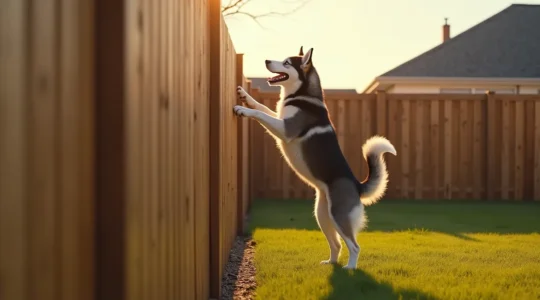
Why Are Huskies Such Notorious Escape Artists and How Can You Secure Your Yard?
Most owners believe a higher fence or a stronger lock is the solution to a Husky’s escape attempts. The truth is, these are merely symptoms of a deeper issue. A Husky doesn’t just want out; it wants a job. This…
Read more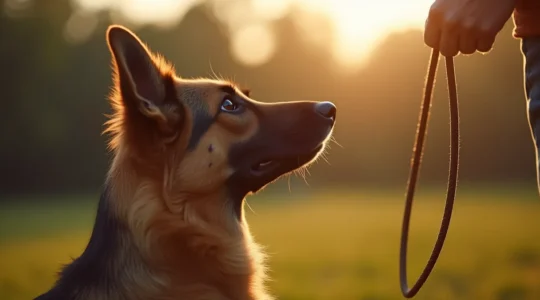
Why German Shepherds Develop Reactivity Without Strong Leadership?
Reactivity in a German Shepherd is not a character flaw; it’s a symptom of an intelligent, high-drive mind that has been left unemployed. Physical exercise alone is insufficient; GSDs require structured mental “jobs” to prevent their working traits from manifesting…
Read more
Why Chihuahuas Tremble: Distinguishing Cold from Fear or Hypoglycemia
Your Chihuahua’s constant shaking isn’t just a quirk; it’s a vital communication signal that new owners must learn to decode to ensure their safety and well-being. The shaking often stems from a unique physiological paradox: a tiny body with a…
Read more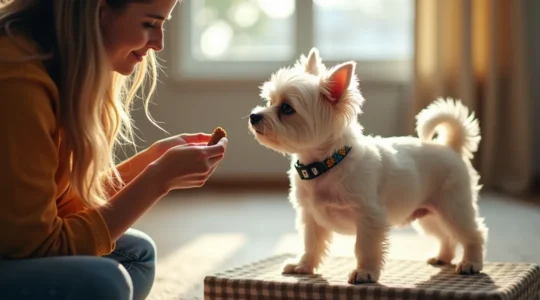
Small Dog Syndrome: Why Treat Your Maltese Like a Doberman?
Small dog ‘syndrome’ is not a personality trait; it is a direct, predictable result of owners failing to meet their dog’s fundamental canine needs for structure and respect. A small dog’s physical reality—from tracheal fragility to rapid metabolism—demands specific, informed…
Read more
Why Your Spaniel Paces: The Consequence of Unmet Working Instincts
Contrary to common belief, your dog’s relentless pacing isn’t a sign of disobedience; it’s a vocational crisis stemming from unemployed genetics. Hyperactivity in working breeds is often a displacement behavior for instincts that have no constructive outlet. Mental work, like…
Read more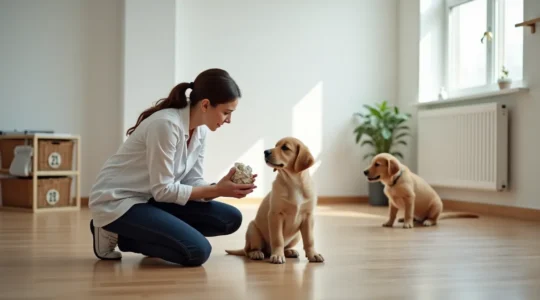
How to Use the Volhard Test to Pick the Right Puppy from a Litter?
The Volhard test’s purpose is not to find the “best” puppy, but to decode its innate operating system and find the right match for your life. A puppy’s scores are a map to its temperament, not a pass/fail grade. Parental…
Read more